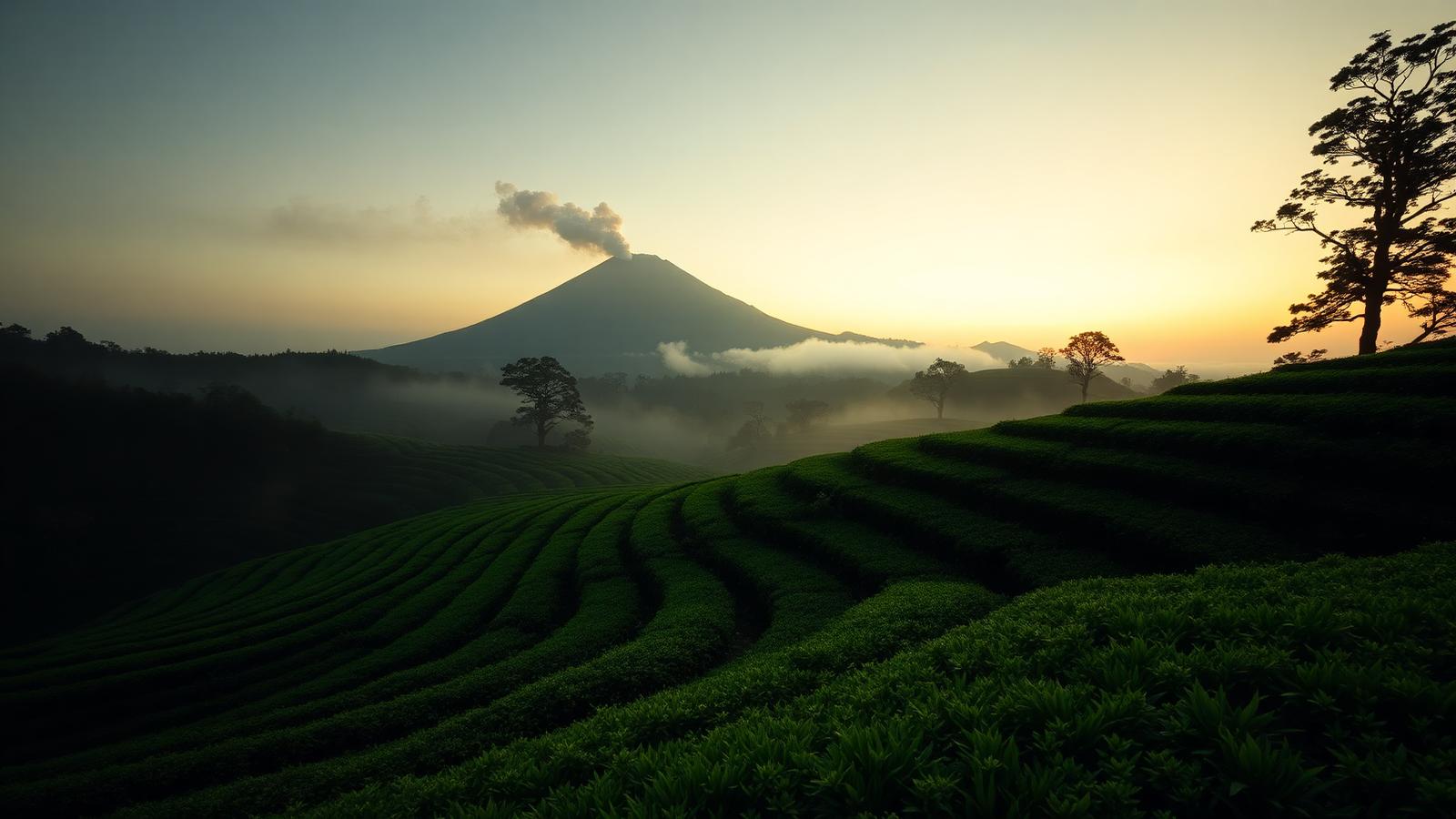
Kagoshima Matcha · Kirishima, Japan
This began
before the brand did.
Kagoshima was never a region selected from a sourcing map. It was already part of the family.
One · Kagoshima
The southern edge
of Japanese tea.
Kagoshima sits at the bottom of Kyushu, where the growing season starts early. It holds the country's largest share of certified-organic tea acreage — and yet, in America, almost no one says its name.
Japanese matcha is known here. Kagoshima matcha, as a category, is not. That gap is the reason this brand exists.
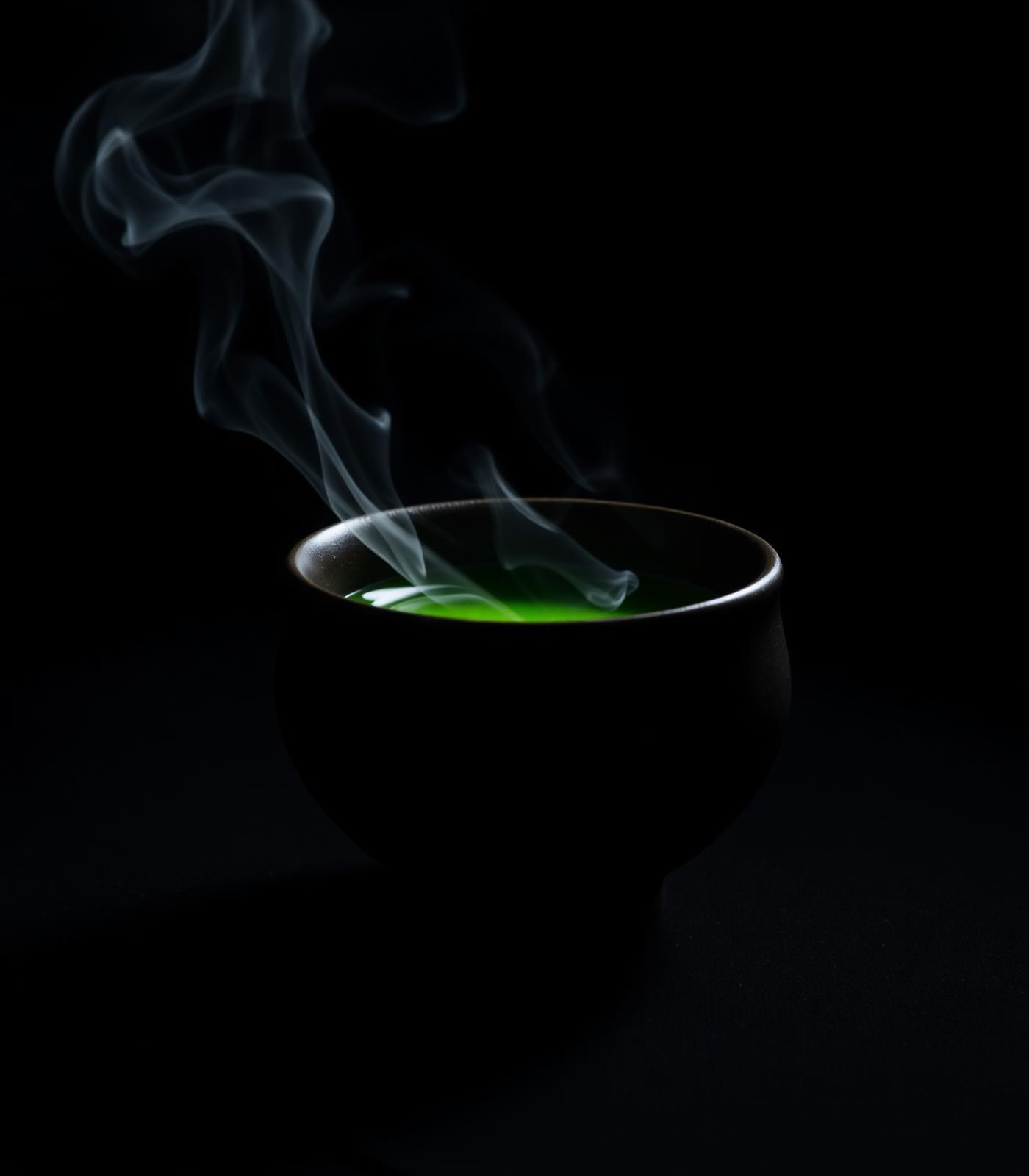
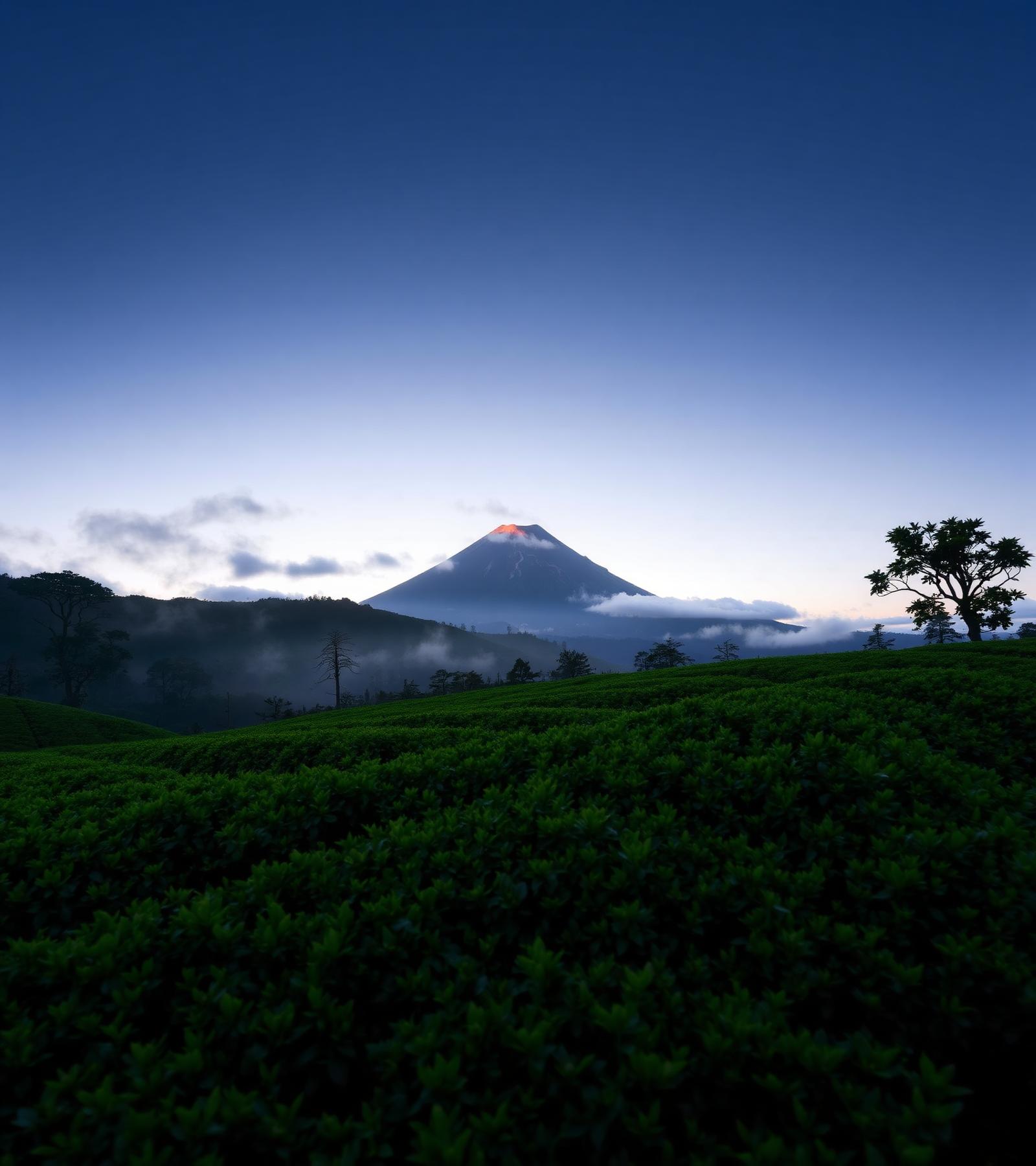
Kirishima — volcanic ground, cool mornings, long mist.
Two · Kirishima
Grown on ground
the volcano made.
Inside Kagoshima, the Kirishima highlands give tea fields fast-draining volcanic soil and long, misted mornings. With matcha you drink the whole ground leaf, so the ground it grew in isn't background detail — it is most of the product.
Our matcha is JAS-certified organic and milled in Japan. Clean ground and healthy roots aren't a marketing line here; they're the working condition.
Three · Family
Not selected.
Already home.
Our founder's mother is from Kagoshima. This was never a region selected from a sourcing map; it was already part of the family. The place came first. The brand came after.
That connection is why we can speak about this place plainly, and why we hold ourselves to it. The growers, the fields, and the powder are the subject. We're the ones carrying it across.
“The place came first. The brand came after.”
Four · America
A bridge, not
an import.
Living in America made the distance visible: Japanese matcha was known, but Kagoshima — the place our family knew — was almost absent from the cup. Menus said "matcha." Nobody said where.
Satsumatcha is a bridge from Kirishima's volcanic fields to American homes and cafés. Two paths, both ours: tins sold direct to the people who drink them, and wholesale for cafés that want to put an actual origin on the menu.